
Pre-Conference Workshops
SUPERIOR EXPERIENTIAL EDUCATION
These experiential workshops are 1-to-1.25 hours each and are designed for clinicians and industry leaders.
Our goal is to provide experiential education that inspires and facilitates learning in a
peer and community-based setting. All are CE Credit-eligible.
Session 1
Wednesday, October 28, 2026 from 1:00pm – 2:15pm
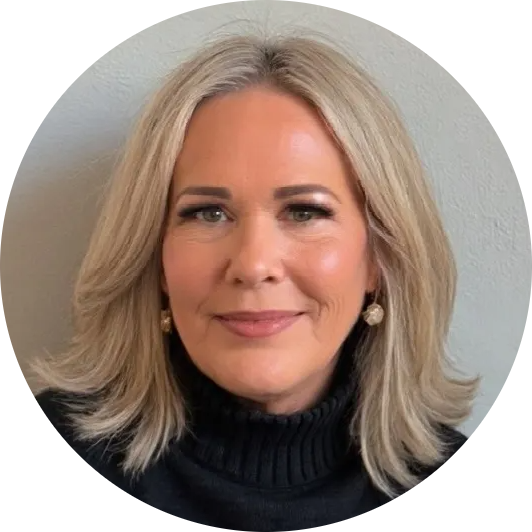
Becoming an Authentic Clinician: Integrating Self, System, and Skill
Facilitated by Shari Short, LMFT • Room 1 • $35 • 1.25 CE Credits
Clinical excellence is not built on technique alone. It depends on how a clinician’s own family-of-origin patterns, attachment style, and countertransference shape presence and decision-making in the room. In this 75-minute experiential workshop, Shari Short, LMFT, integrates family systems theory, psychotherapy process research, and trauma-informed practice to help clinicians analyze those influences, apply strategies that strengthen alliance while holding professional boundaries, and implement one sustainability practice that reduces burnout and secondary traumatic stress. Designed for a small pre-conference group, the session uses brief teaching and structured reflection, not personal therapy, to make self-of-the-therapist awareness usable in ethical, client-centered work.
Learning Objectives:
- Analyze at least three ways family-of-origin dynamics and intergenerational transmission processes influence clinical decision-making, therapeutic presence, and countertransference.
- Apply at least two evidence-informed strategies to manage countertransference and strengthen the therapeutic alliance while maintaining professional boundaries.
- Evaluate personal and organizational risk factors for burnout and secondary traumatic stress, and implement at least one sustainability practice consistent with ethical standards for impairment prevention.
Assertive Community Treatment: A Paradigm Shift in Treating Severe Mental Illness
Facilitated by John Puls, LCSW, MCAP • Room 2 • $35 • 1.25 CE Credits
Severe mental illness (SMI) affects millions of Americans and is associated with significant functional impairment, often requiring long-term, comprehensive treatment. Despite the prevalence of SMI, many individuals are unable to access appropriate care, contributing to homelessness, repeated psychiatric crises, and involvement with the criminal justice system. This presentation examines the historical impact of deinstitutionalization, the ongoing gaps in community-based mental health services, and the challenges faced by individuals living with SMI. Participants will gain an understanding of the Assertive Community Treatment (ACT) model, including its evidence-based, multidisciplinary approach to delivering comprehensive psychiatric, counseling, and case management services directly in the community.
Learning Objectives:
- Summarize the key historical shifts in the treatment of severe mental illness (SMI) in the United States, including major policy changes and their documented impacts on community-based care.
- Discuss the deinstitutionalization movement, identify its primary consequences for individuals with SMI, and evaluate related challenges such as service gaps, homelessness, and involvement with the criminal justice system using peer- reviewed evidence.
- Explain the core components and multidisciplinary approach of the Assertive Community Treatment (ACT) model, including fidelity criteria, and describe practical steps for implementing ACT services in community settings for individuals with SMI.
Session 2
Wednesday, October 28, 2026 from 2:30pm – 3:30pm

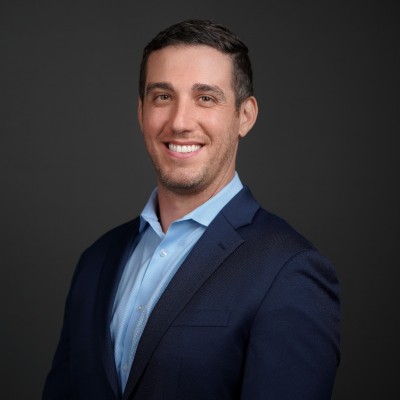
AI and Social Health: Enhancing Human Connection in Behavioral Treatment
Facilitated by Courtney Grimes, LCSW • Room 1 • $29 • 1 CE Credit
This presentation examines the growing intersection of artificial intelligence and behavioral health practice, with a particular focus on social health—the quality of relationships and sense of belonging that research identifies as essential to psychological well-being. Participants will explore how AI tools such as conversational agents, predictive analytics, moderated online communities, and digital companions can expand access, personalize support, and foster connection, while also considering key limitations and ethical issues including privacy, algorithmic bias, and the risk of over-reliance on technology. Emphasis is placed on a balanced, clinically grounded approach that integrates innovation thoughtfully so that technology strengthens rather than replaces meaningful human relationships in clinical and community settings.
Learning Objectives:
- Describe key opportunities and limitations of AI tools (including conversational agents, predictive analytics, and digital companions) for supporting social connection and belonging in behavioral health.
- Identify ethical considerations such as privacy, bias, and risk of over-reliance, associated with integrating AI into clinical or community behavioral health practice.
- Apply a balanced framework for thoughtfully incorporating AI-supported strategies that strengthen, rather than replace, meaningful human relationships.
How We Got Here, How We Respond: Practical Solutions for Rebuilding Genuine Connection in a Tech-Based Culture
Facilitated by Jeff Noles, LPC, CTT, CSAT, CCS • Room 2 • $29 • 1 CE Credit
This presentation looks at how smartphones and social media have changed childhood, adolescence, and the transition into adulthood. It focuses on the connection between phone-based culture and concerns like anxiety, sleep problems, attention issues, loneliness, avoidance, and delayed independence. The session is grounded in current research on adolescent development, youth mental health, family systems, and the impact of social media, along with guidance from the U.S. Surgeon General, the American Academy of Pediatrics, and national youth mental health data. It also gives participants practical ideas they can use in clinical, family, school, and community settings.
Learning Objectives:
- Identify at least four empirically documented ways phone-based culture affects adolescent and young-adult development in the domains of anxiety, sleep, attention, motivation, relationships, and the transition to adulthood.
- Explain the developmental mechanisms by which reductions in free play, face-to- face interaction, healthy risk-taking, and real-world responsibility contribute to elevated anxiety, avoidance, loneliness, and delayed independence.
- Describe specific, actionable roles that clinicians, families, schools, policymakers, technology leaders, recovery professionals, and other stakeholders can take to mitigate harms and rebuild genuine connection.
Afternoon Workshop Session
Wednesday, October 28, 2026 from 3:45pm – 5:00pm

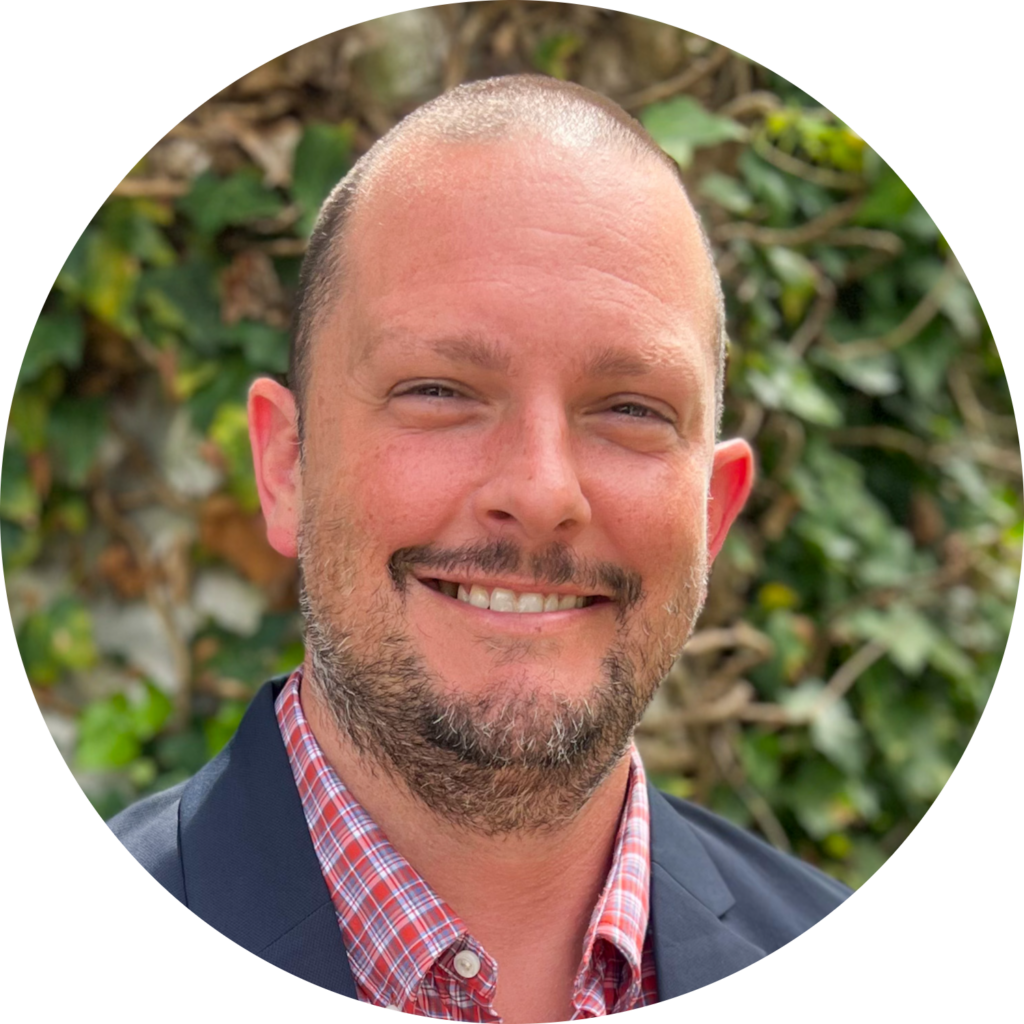
From Regulation to Collaboration: A Trauma-Informed, Community-Engaged Approach to Healing Beyond the Therapy Room
Facilitated by Shauna Wallace, DSW, LISW-S, SAP • Room 1 • $35 • 1.25 CE Credits
This experiential workshop examines how trauma-informed care, nervous system regulation, family systems, and interdisciplinary collaboration can strengthen behavioral health practice and improve client outcomes. Grounded in contemporary research and evidence-based scholarship, participants will explore how community partnerships, culturally responsive care, and collaborative ecosystems reduce fragmented care while increasing engagement and continuity across services. Through guided experiential exercises, case-based learning, collaborative care mapping, and reflective discussion, attendees will develop practical strategies for integrating these concepts into clinical practice and organizational settings. The presentation emphasizes current psychological research related to trauma, regulation, therapeutic relationships, and integrated care while providing immediately applicable tools that support interdisciplinary collaboration. Participants will leave with a structured framework and actionable implementation plan to enhance collaboration, promote equitable care, and improve behavioral health outcomes within their own professional settings.
Learning Objectives:
- Describe how trauma-informed care principles and nervous system regulation concepts can be integrated into broader practice and organizational strategies to support provider wellness and reduce burnout.
- Analyze collaborative care models and identify strategies for integrating community partners (e.g., doulas, peer supports, family systems, and interdisciplinary providers) to enhance continuity of care and behavioral health outcomes.
- Develop practical, culturally responsive engagement strategies that address social determinants of health and strengthen interdisciplinary and community partnerships across systems of care.
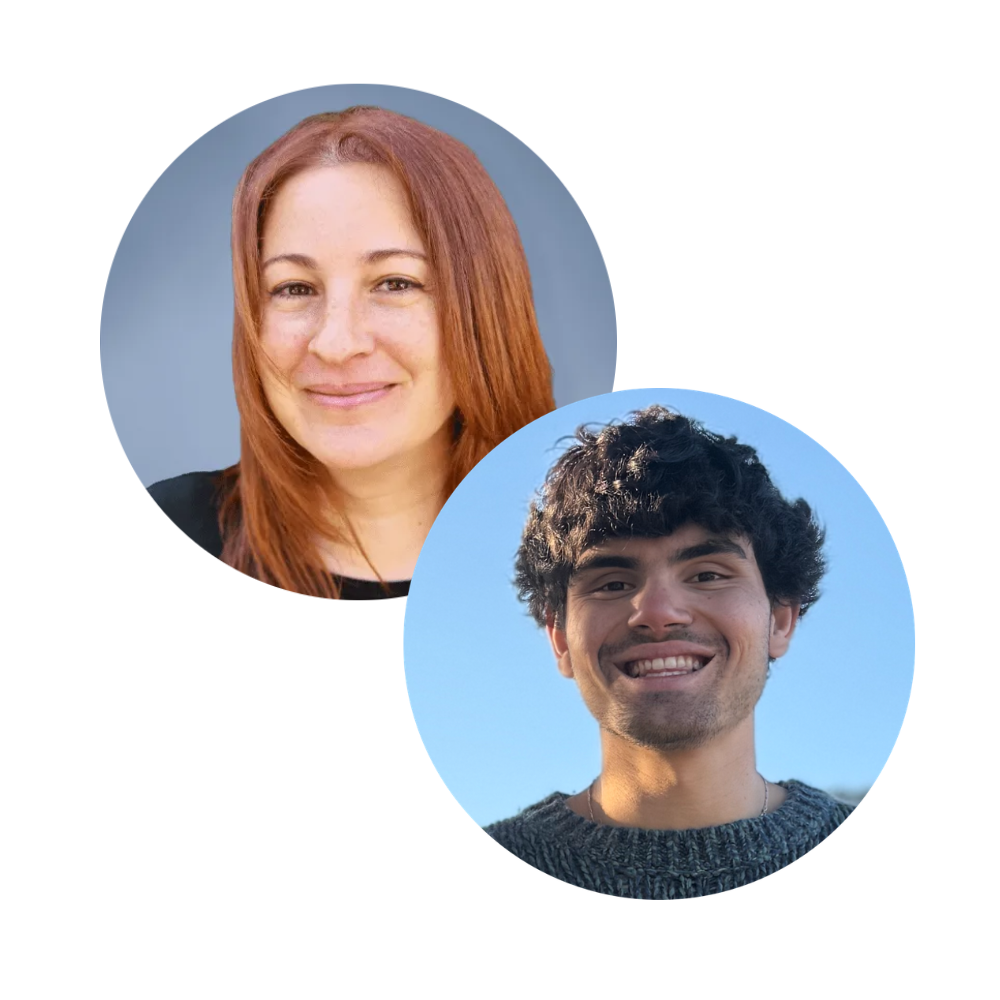
Presence Over Pathology: The Perception of Altered States
Facilitated by Stephanie J Coyle, LMFT, SEP & Harrison Copoloff, SEP, CPC • Room 2 • $35 • 1.25 CE Credits
Altered states of consciousness—whether arising through psychosis, dissociation, trauma responses, or transpersonal and spiritual experiences—pose both profound challenges and unique opportunities in clinical practice. Too often, these states are pathologized, suppressed, or reduced to symptom management alone. Yet when clinicians learn to approach altered states with curiosity, embodiment, and skill, it fosters a sense of safety in the client’s experience which opens possibilities for integration, resilience, and even transformation. This workshop offers a clinically grounded, experiential framework for working with altered states of consciousness in a way that is safe, compassionate, and therapeutically generative. Drawing from over 15 years of clinical work in residential treatment and therapeutic communities, and integrating training as a Somatic Experiencing® Practitioners, we will guide participants through both theoretical foundations and practical interventions that expand our capacity as clinicians.
Learning Objectives:
- Differentiate between pathology-based and integrative frameworks for understanding altered states of consciousness, including psychosis, dissociation, and transpersonal experiences.
- Apply somatic and implicit clinical tools to support regulation, grounding, and safety when working with clients in acute or non-ordinary states.
- Demonstrate understanding of the clinician’s own nervous system awareness to maintain dual attention, enhance attunement, and reduce fear-based or reactive interventions.
- Integrate interdisciplinary perspectives (medical, psychodynamic, somatic, and transpersonal) to support more collaborative, effective client-centered treatment planning across care teams and systems.